




You wake up to the sound of the sea, open the door, and everything seems perfect… until you see a fine on the windshield. What happened if you were just sleeping? This is where the concept of no overnight parking, a very common question among camper travelers who want to enjoy the freedom offered by the camper world.
This article explains what is legal and what is not, clearly and simply, so your only worry is enjoying the view.
The DGT regulations: PROT Instruction 2023/14
The DGT makes a clear distinction between parking and camping. If your vehicle is properly parked, you can sleep inside. There is no state law that says overnight parking is prohibited as such.
The PROT Instruction 2023/14 makes this clear:
- If the vehicle is properly parked, it is legal to stay inside.
- It does not matter if you are sleeping, eating, or resting (as long as you do it on your seat covers so you do not stain anything).
The problem arises when you do something that is legally considered camping.
What is legally considered camping?
This is where many people get it wrong. Sleeping is not the same as camping. Under the law, you are camping if you break the vehicle's perimeter.
The vehicle perimeter: Windows, chocks, and awnings
Anything that sticks out from the vehicle can get you into trouble. Clear examples:
- Open an awning.
- Pull out tilt windows (sliding windows are allowed).
- Use visible leveling chocks to level the van.
If you break the perimeter, the authorities may argue that no overnight parking is prohibited there outside designated areas.
Outdoor furniture: Can I take out a chair?
Short answer: no. Taking out tables or chairs turns your stop into camping immediately. Even if you are quiet, you are no longer just parked.
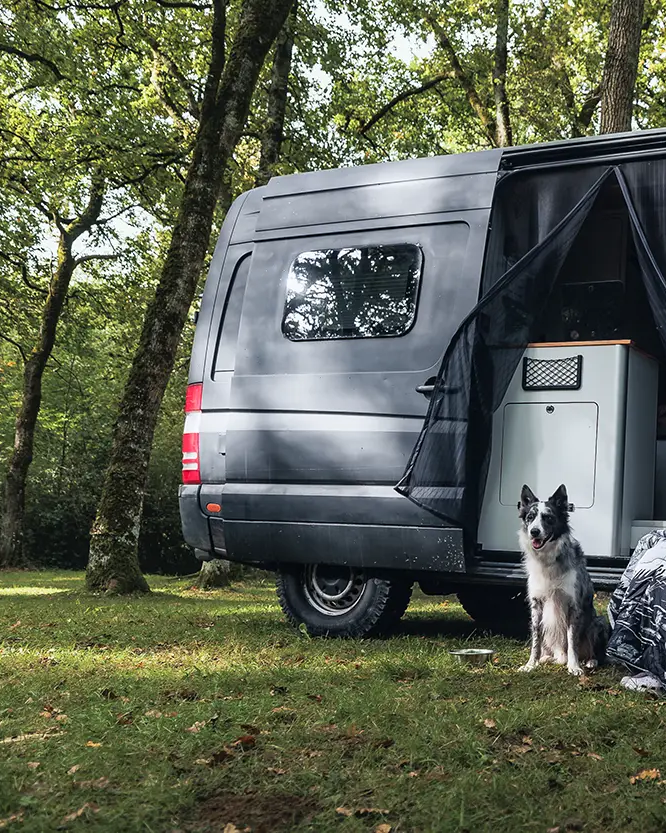
Why do you consider that the law is being broken in this parking area? (The answer at the end)

(Pixelated photo)
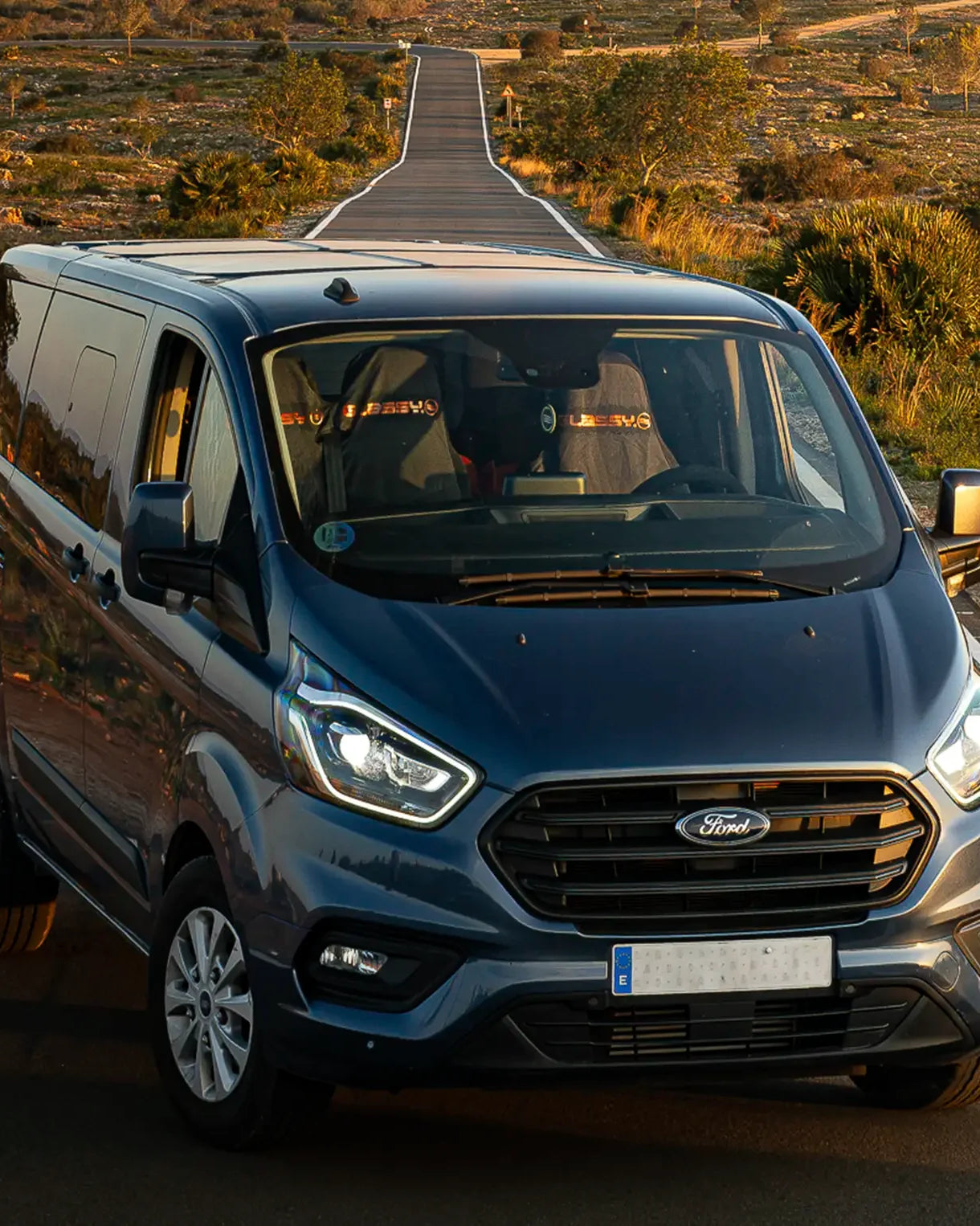
And here you can see the difference with a legal parking spot.

Where overnight parking is really prohibited
There are places with specific regulations that override the DGT:
- Natural Parks: They have strict conservation laws.
- Protected Areas and Coastlines: The Coastal Law prohibits parking and overnight stays on many beaches.
- Specific signs: If you see a sign saying "no overnight parking" or local time restrictions, you may be fined.
Tips to avoid problems and fines
Sleeping peacefully is possible if you use common sense and discretion:
- Park like a normal car: If you are traveling in a mid-size van or a large van, make sure you do not take up more than one parking space.
- No noise and no waste: Respect the surroundings so places do not keep getting banned.
- Total discretion: Use curtains and keep the interior tidy. A clean, discreet van raises fewer suspicions.
Frequently Asked Questions
Is it legal to cook inside? Yes, as long as you do not cause any disturbance, excessive smoke outside, or risks. Everything must be done inside the vehicle.
What if I get fined unfairly? Check whether you were properly parked, verify the signage and, above all, provide photos as proof that you had no camping gear deployed.
Many travelers think that VanLife is total freedom, but the reality requires responsibility. Understanding the rules lets you truly enjoy every stop. And so your motorhome can handle all that daily wear and tear of living inside it, don't forget to take a look at our sustainable textiles to travel comfortably and in style.
*Answer: The tailgate is protruding beyond the parking perimeter, so if it is not an occasional opening to take something out or put something away, this parking would be illegal.